


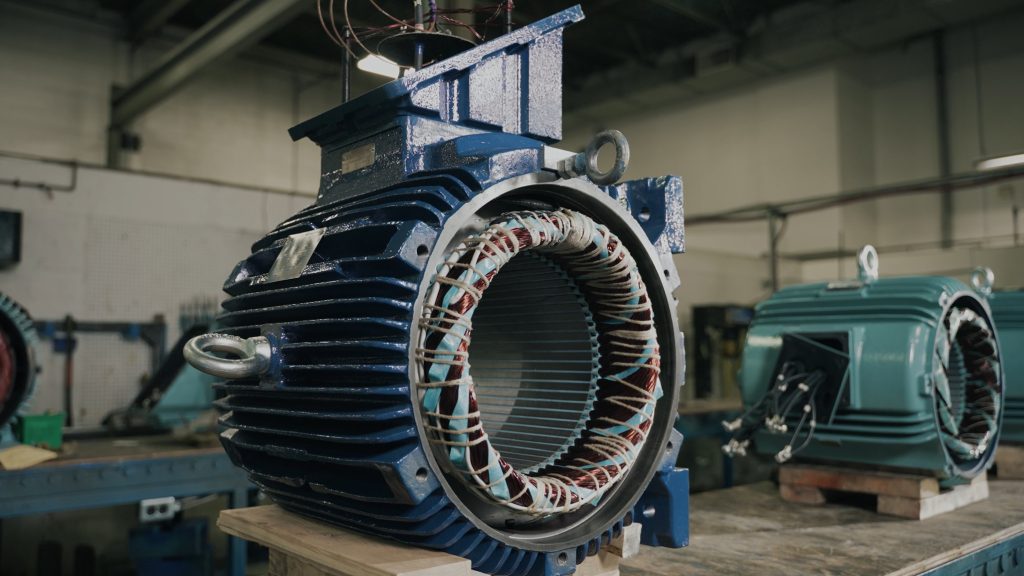
Industrial motor applications are the backbone of modern manufacturing and infrastructure, quietly driving machines, systems, and processes that keep industries running every single day. From massive production lines to small automated systems, these motors play a role that is both essential and often overlooked.
Think about a typical day in a factory. Conveyors move goods seamlessly, pumps circulate fluids, and robotic arms assemble products with precision. Behind all these operations lies a network of motors working tirelessly, ensuring everything functions smoothly.
The importance of industrial motors goes far beyond simple movement. They contribute to efficiency, productivity, and even sustainability. As industries evolve, so do the technologies and applications of these motors, making them more advanced and versatile than ever before.
Table of Contents
ToggleUnderstanding the foundation of industrial motor applications
At their core, industrial motors convert electrical energy into mechanical motion. While this might sound straightforward, the variety of motors available today reflects the complexity of modern industrial needs.
There are different types of motors, each designed for specific purposes. Induction motors are widely used for their durability and reliability, while synchronous motors offer precise speed control. Servo motors and stepper motors, on the other hand, are ideal for applications requiring accuracy and repeatability.
These variations allow industries to choose the right motor for each task. Whether it’s heavy-duty machinery or delicate automation processes, there’s a motor designed to handle the job efficiently.
Industrial motor applications in manufacturing sectors
Manufacturing is perhaps the most prominent area where motors are used extensively. From automobile assembly lines to textile production units, motors drive almost every stage of the process.
In a car manufacturing plant, motors power conveyor belts that transport parts from one station to another. They also operate robotic arms that perform welding, painting, and assembly tasks with remarkable precision.
In textile industries, motors are used in spinning machines, looms, and dyeing equipment. Their reliability ensures consistent production, which is crucial for maintaining quality standards.
These real-world examples highlight how Industrial motor applications form the backbone of manufacturing operations worldwide.
Automation and robotics revolution
The rise of automation has transformed industrial landscapes, and motors play a central role in this revolution. Robotics systems rely heavily on motors for movement and control.
Servo motors, in particular, are widely used in robotic applications due to their ability to provide precise positioning. This precision is essential in tasks like assembling electronic components or packaging delicate items.
Automation not only improves efficiency but also reduces human error. Motors enable machines to perform repetitive tasks with consistent accuracy, freeing up human workers for more complex responsibilities.
As automation continues to grow, the demand for advanced motor technologies is expected to increase significantly.
Role in HVAC systems and energy management
Heating, ventilation, and air conditioning systems depend heavily on motors to function effectively. Fans, compressors, and pumps all require motors to operate.
In large commercial buildings and industrial facilities, HVAC systems ensure a comfortable and safe environment. Motors help regulate temperature, airflow, and humidity levels.
Energy efficiency is a major concern in these systems. Modern motors are designed to consume less power while delivering optimal performance. Variable frequency drives allow precise control of motor speed, reducing energy consumption and operational costs.
These developments show how Industrial motor applications contribute to both comfort and sustainability.
Industrial motor applications in water and wastewater management
Water management systems rely on motors for pumping, filtration, and distribution. From municipal water supply systems to industrial wastewater treatment plants, motors play a crucial role.
Pumps powered by motors move water through pipelines, ensuring consistent supply. In treatment plants, motors drive equipment that removes impurities and processes waste.
Reliable motor performance is critical in these applications. Any failure can disrupt essential services, making durability and efficiency key considerations.
As urban populations grow, the demand for efficient water management systems continues to rise, further emphasizing the importance of motor technology.
Mining and heavy-duty industrial environments
Mining operations present some of the toughest challenges for industrial equipment. Motors used in these environments must withstand extreme conditions, including high temperatures, dust, and heavy loads.
They power crushers, conveyors, and drilling equipment, enabling the extraction and processing of raw materials. The durability of motors in such conditions is crucial for maintaining productivity.
Advancements in motor design have improved their ability to operate in harsh environments. Enhanced insulation, robust construction, and better cooling systems ensure reliable performance.
This is another area where Industrial motor applications prove indispensable in supporting critical industries.
Food processing and packaging industries
In the food industry, motors are used in a wide range of applications, from mixing and grinding to packaging and labeling. Hygiene and precision are key requirements in this sector.
Motors used in food processing are often designed to meet strict safety standards. They are resistant to moisture and easy to clean, ensuring compliance with health regulations.
Packaging systems rely on motors for speed and accuracy. Whether it’s filling bottles or sealing packages, motors ensure consistent output.
These applications demonstrate how motors contribute to both efficiency and quality in food production.
Renewable energy and sustainability focus
The shift towards renewable energy has created new opportunities for motor applications. Wind turbines, for example, use motors in various components to generate electricity.
Solar power systems also rely on motors for tracking mechanisms that adjust panel positions to maximize sunlight exposure.
Energy-efficient motors are becoming increasingly important as industries aim to reduce their carbon footprint. High-efficiency designs and smart control systems help minimize energy consumption.
These advancements align with global sustainability goals, making motors a key component in the transition to cleaner energy sources.
Smart technology and IoT integration
The integration of smart technology has taken industrial motor applications to the next level. Sensors and IoT devices allow real-time monitoring of motor performance.
This enables predictive maintenance, where potential issues are identified before they lead to failures. As a result, downtime is reduced, and operational efficiency improves.
Data collected from motors can also be analyzed to optimize performance. Adjustments can be made to improve energy efficiency and extend the lifespan of equipment.
This smart approach reflects the future of industrial operations, where technology and data work together seamlessly.
Maintenance and lifecycle management
Proper maintenance is essential for ensuring the longevity and performance of industrial motors. Regular inspections, lubrication, and cleaning help prevent unexpected breakdowns.
Modern motors often come with built-in diagnostics that provide valuable insights into their condition. This makes it easier to plan maintenance activities and avoid costly repairs.
Lifecycle management is becoming an important aspect of industrial operations. By understanding the lifespan of motors and planning replacements accordingly, businesses can maintain efficiency and reduce downtime.
Custom solutions for specialized industries
Not all industries have the same requirements, and this is where customization comes into play. Motors can be designed to meet specific needs, whether it’s high-speed operation or extreme precision.
For example, the aerospace industry requires motors that can operate under unique conditions, while the pharmaceutical sector demands high levels of cleanliness and accuracy.
Custom solutions ensure that each industry can achieve optimal performance without compromising on quality or safety.
This flexibility is a key factor in the continued growth of Industrial motor applications across diverse sectors.
Real-life example of industrial transformation
Consider a mid-sized manufacturing unit that recently upgraded its motor systems. Previously, the factory relied on older motors that consumed more energy and required frequent maintenance.
After switching to modern, energy-efficient motors with smart monitoring systems, the factory experienced significant improvements. Energy costs dropped, production efficiency increased, and downtime was reduced.
This transformation not only improved profitability but also enhanced the overall working environment. Employees noticed smoother operations and fewer disruptions.
Stories like these highlight the real impact of technological advancements in industrial motors.
Future outlook of industrial motor applications
The future of industrial motors looks promising, with continuous advancements in technology and design. Innovations in materials, efficiency, and smart systems are expected to drive further improvements.
Electric vehicles and advanced manufacturing processes will create new opportunities for motor applications. At the same time, sustainability will remain a key focus, influencing design and usage.
As industries continue to evolve, motors will remain a fundamental component, adapting to new challenges and requirements.
The journey of innovation ensures that Industrial motor applications will continue to play a vital role in shaping the future of global industries.
Read also: