


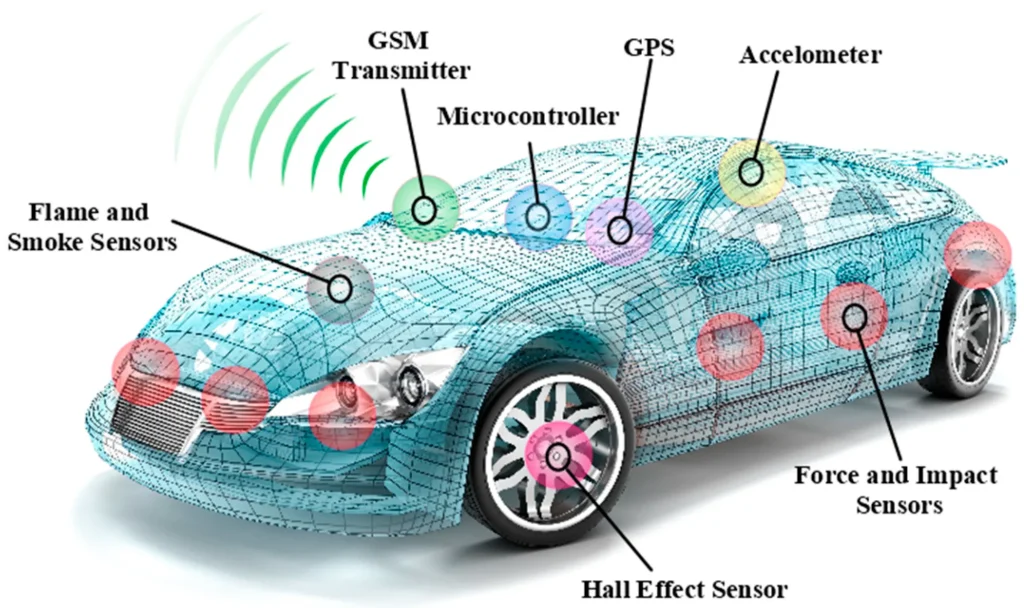
Smart accident detection is quietly transforming road safety by turning seconds into lifesaving moments. The instant a crash happens, this technology can recognize the impact, understand its severity, and alert help without waiting for a human response. In a world where delays often cost lives, this shift from reactive to proactive safety is redefining how accidents are handled.
Many drivers never think about what happens after a crash until they experience one. Disorientation, injury, or panic can make it impossible to call for help. That is exactly where intelligent detection systems step in, acting as a silent guardian when drivers need it most.
Table of Contents
ToggleThe Real Problem With Traditional Accident Response
For decades, accident response depended heavily on eyewitnesses or the people involved. On busy highways this might work, but on rural roads or during late-night drives, crashes can go unnoticed for precious minutes or even hours.
Emergency responders often describe situations where victims could have survived if help had arrived sooner. Delayed reporting remains one of the biggest challenges in traffic safety, and it’s a gap technology is now closing with remarkable accuracy.
How Smart accident detection Actually Works
At its core, Smart accident detection relies on a network of sensors, software, and connectivity. Accelerometers detect sudden changes in motion, gyroscopes track orientation shifts, and GPS identifies exact locations. When these data points cross critical thresholds, the system recognizes a crash event.
Artificial intelligence then evaluates severity. A minor bump in traffic feels very different from a high-speed collision, and modern systems are trained to know the difference. This reduces false alerts while ensuring real emergencies trigger immediate action.
From Smartphones to Vehicles
One of the most relatable examples comes from smartphones. Many drivers are surprised to learn their phones can already detect crashes. These features use built-in sensors and automatically call emergency services if the user doesn’t respond.
Automakers have taken this further by integrating detection directly into vehicles. Cars equipped with advanced driver assistance systems combine onboard sensors with cloud-based analytics, creating faster and more reliable responses than standalone devices.
A Real-Life Scenario That Shows the Impact
Consider a solo driver traveling on a remote highway at night. A sudden collision sends the vehicle off the road. The driver is unconscious, phone out of reach, and there are no witnesses. In the past, this situation could be fatal.
With Smart accident detection, the system senses the crash, confirms lack of driver response, and sends precise location data to emergency services. Help arrives quickly, often making the difference between life and death. Stories like this are increasingly common in emergency response reports.
Trust Built Through Data and Experience
EEAT principles are central to this technology’s adoption. Experience from millions of miles driven feeds machine learning models. Expertise from automotive engineers, data scientists, and emergency responders shapes system design.
Authority grows as regulators and safety organizations validate results. Trust builds when drivers see consistent, reliable performance. This layered credibility explains why adoption is accelerating across industries.
Integration With Emergency Services
Detection alone isn’t enough. What happens after matters just as much. Modern systems connect directly with emergency call centers, transmitting crash details, vehicle information, and GPS coordinates.
Dispatchers receive clearer insights before arriving on scene. Knowing whether airbags deployed or if the crash involved rollover helps responders prepare appropriate equipment and medical support.
The Role of AI in Reducing False Alarms
Early detection systems struggled with accuracy. Hard braking or dropping a phone could trigger alerts. Today’s AI-driven models analyze patterns rather than single data points.
They assess speed, angle of impact, and post-collision movement. This refinement reduces unnecessary emergency calls while maintaining sensitivity for real accidents. Continuous learning improves performance over time.
Privacy and Data Security Concerns
With any connected technology, privacy matters. Drivers want assurance that data is used responsibly. Leading platforms anonymize crash data and encrypt transmissions to protect personal information.
Transparency builds confidence. When users understand what is collected and why, trust increases. Responsible data handling strengthens long-term adoption and regulatory approval.
Benefits Beyond Emergency Response
The impact of Smart accident detection goes beyond saving lives. Insurance companies use crash data to speed up claims processing. Fleet operators analyze incidents to improve driver training and route planning.
City planners study anonymized data to identify dangerous intersections. These insights lead to infrastructure improvements, creating safer roads for everyone.
Adoption in Commercial Fleets
Commercial vehicles are embracing this technology rapidly. Fleet managers recognize that faster response times reduce liability and protect drivers. Many logistics companies now view detection systems as essential rather than optional.
Drivers also appreciate the added layer of protection. Knowing that help is automatically summoned provides peace of mind during long, isolated routes.
Regulatory Support and Global Trends
Governments worldwide are encouraging adoption through safety standards and incentives. In some regions, automated emergency call systems are becoming mandatory in new vehicles.
These policies reflect growing recognition that technology-driven safety measures save lives at scale. Regulatory backing further legitimizes the role of intelligent detection.
Challenges in Implementation
Despite progress, challenges remain. Older vehicles lack built-in sensors, and retrofitting can be costly. Connectivity issues in remote areas still affect response times.
Developers continue working on hybrid systems that store data locally and transmit when networks become available. Innovation focuses on inclusivity and reliability across environments.
The Human Factor in Automated Safety
Technology doesn’t replace human judgment; it supports it. Emergency responders still assess situations firsthand. Drivers still make decisions behind the wheel.
What detection systems do is bridge the gap between accident and assistance. They remove uncertainty during critical moments, allowing humans to do what they do best once alerted.
Continuous Learning Through Real-World Use
Every detected crash contributes to system improvement. Machine learning models refine thresholds, understand new crash patterns, and adapt to evolving vehicle designs.
This feedback loop reflects real expertise grounded in lived experience rather than theory. Over time, accuracy improves, reinforcing trust among users and stakeholders.
Consumer Awareness and Education
Many drivers are unaware their vehicles or devices already include detection features. Education plays a vital role in maximizing benefits.
Manufacturers and safety organizations are increasingly highlighting these tools during onboarding and training. Awareness ensures features are enabled and used correctly when needed.
Ethical Responsibility of Tech Providers
Companies developing Smart accident detection carry ethical responsibility. Accuracy affects lives. False negatives can be deadly, while false positives strain emergency resources.
Responsible providers prioritize rigorous testing and transparent reporting. Ethical design aligns with EEAT principles, reinforcing long-term credibility.
The Future of Intelligent Crash Response
Looking ahead, detection systems will integrate with autonomous driving technologies. Vehicles may communicate with each other, warning nearby drivers of accidents in real time.
Wearable devices could sync with cars, providing health data to responders. The ecosystem will become more connected, proactive, and responsive.
Experience From the Field
Emergency professionals consistently report improved outcomes with faster alerts. Reduced response times correlate directly with survival rates, especially in severe trauma cases.
These firsthand accounts strengthen authority and validate investment. When those on the front lines support a technology, trust naturally follows.
Building Safer Roads Through Collaboration
Automakers, tech companies, governments, and responders collaborate to refine standards. Shared data and insights accelerate progress.
This cooperative approach ensures systems remain practical, reliable, and aligned with real-world needs. Collaboration transforms innovation into measurable impact.
A Technology Rooted in Human Value
While algorithms and sensors drive detection, the purpose remains deeply human. Protecting lives, reducing suffering, and supporting families during crises give meaning to the technology.
As adoption grows, Smart accident detection becomes less about novelty and more about responsibility. It reflects a collective commitment to safety powered by experience, expertise, authority, and trust.
Read also :-
8774220763
8552296544
3144710080
9592998000
6149229865
3148962604