


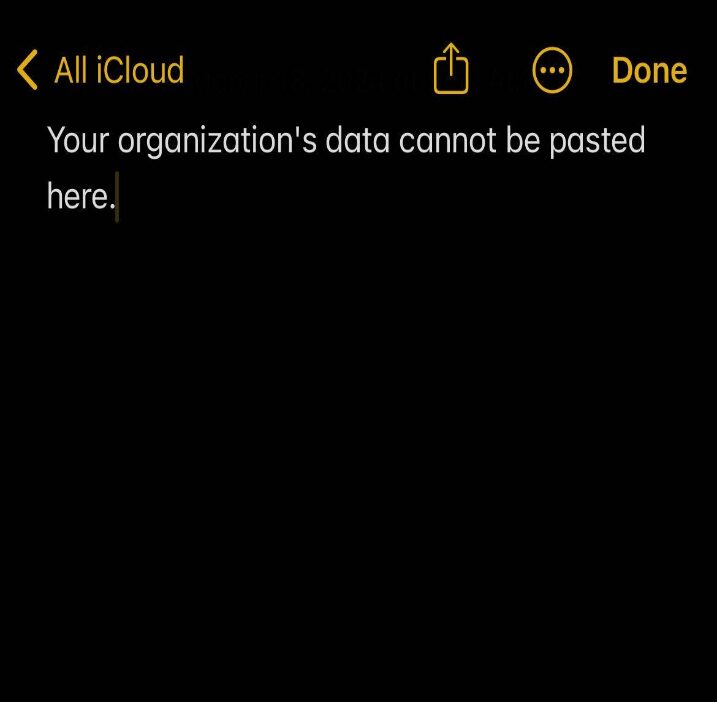
In today’s digital age, safeguarding sensitive information is more critical than ever. Whether you’re running a small business, managing a large corporation, or handling personal data, protecting information is paramount. One phrase that may pop up in various business applications, especially when working with data transfer and sharing, is “your organization’s data cannot be pasted here.” This might seem like an inconvenience at first, but it is actually an important safeguard designed to protect the integrity of your organization’s data.
The Growing Importance of Data Security
Before diving into why the message “your organization’s data cannot be pasted here.” appears, it’s essential to understand the broader context. In recent years, businesses have faced a significant increase in cyber threats, including data breaches, ransomware attacks, and insider threats. This makes it crucial for organizations to enforce strict security protocols, especially when it comes to the movement and sharing of sensitive information.
When data is moved or shared without proper controls, it can easily fall into the wrong hands. This could lead to identity theft, financial losses, and reputational damage. In such an environment, data protection policies, such as preventing unauthorized data transfers, become essential.
Why Does the Message Appear?
The message “your organization’s data cannot be pasted here.” generally appears in environments where information sharing is highly restricted, like in enterprise-level software or secure communication platforms. Here’s why it’s there:
-
Security Protocols: One of the primary reasons for this restriction is that the system is designed to prevent unauthorized users or applications from accessing your organization’s data. When users attempt to paste data from one platform to another, the system ensures that this action doesn’t inadvertently expose sensitive information.
-
Preventing Data Exfiltration: “Your organization’s data cannot be pasted here.” is often a response to an attempt to copy or paste data from a restricted or secure environment into a less secure one. For instance, a company may have data stored in a secure internal server, and attempts to move it to unsecured applications like email or external websites might trigger this warning to prevent data leaks.
-
File Integrity and Compliance Regulations: Certain industries must adhere to strict compliance regulations like GDPR, HIPAA, and PCI-DSS. These laws govern how sensitive data should be handled and shared. By restricting the ability to paste data across platforms, the organization ensures compliance with these legal requirements and avoids potential legal penalties.
-
Preserving Confidentiality: Sensitive data often includes proprietary information, financial records, client data, and intellectual property. By preventing users from pasting data into unauthorized areas, organizations can ensure that their confidential information stays safe from external parties or even malicious insiders.
Types of Data That Might Trigger This Message
The warning “your organization’s data cannot be pasted here.” is typically triggered by the type of information being copied. This can include, but is not limited to:
-
Personally Identifiable Information (PII): This includes any data that could be used to identify an individual, such as social security numbers, addresses, phone numbers, or credit card information.
-
Proprietary or Intellectual Property: Organizations may store research and development data, product designs, or business strategies that should not be exposed to external parties.
-
Health Information: In healthcare sectors, patient data, treatment records, or diagnoses are considered highly sensitive. Regulations like HIPAA require that this information be protected.
-
Financial Data: Transaction records, profit margins, and client financial statements must remain secure within the company’s system to avoid financial fraud.
If you are attempting to copy any of these types of data and paste them into an unsecured platform, the system will typically block the action with a message like “your organization’s data cannot be pasted here.”
Benefits of Preventing Data Paste Actions
While it may seem like an inconvenience when you try to move data and get blocked with “your organization’s data cannot be pasted here.” this restriction is essential for several reasons:
-
Enhanced Security: By limiting how and where data can be pasted, organizations create an additional layer of protection against data breaches and cyberattacks. The restriction makes it harder for unauthorized users to access or distribute sensitive information.
-
Risk Reduction: With the growing threat of phishing, malware, and social engineering attacks, any potential leak or unauthorized sharing of data can put the organization at significant risk. The restriction prevents accidental or intentional data sharing to unapproved destinations, reducing the risk of a leak.
-
Data Control: Limiting where data can be pasted ensures that employees or users cannot inadvertently share important information with the wrong people. This is particularly important in multi-user environments where different people have varying levels of access to data.
-
Compliance with Laws and Regulations: Many industries are bound by strict regulations that dictate how sensitive data must be handled. Preventing the paste of data into unauthorized locations helps organizations comply with these rules, avoiding penalties and ensuring best practices are followed.
-
User Accountability: By restricting certain actions like pasting data into non-approved platforms, organizations can better track how data is used. If data is shared inappropriately, the system can generate an alert to help identify the user who performed the action.
Best Practices to Avoid Triggering the Message
If you’re part of an organization that implements this restriction, it’s important to follow best practices to avoid triggering the “your organization’s data cannot be pasted here.” message while ensuring your actions remain in compliance with company policies. Here are some tips:
-
Use Secure Data Transfer Channels: Always use secure platforms designed for the transfer of sensitive data. This could include encrypted email services, secure file sharing systems, or internal project management tools.
-
Understand Your Organization’s Data Security Policies: Familiarize yourself with your company’s policies on data sharing and handling. By understanding where data can be securely pasted and transferred, you’ll be able to work more efficiently without triggering security warnings.
-
Avoid Copying Sensitive Data to Personal Devices: If you’re working remotely or on a personal device, ensure that you’re following company protocols. Transferring sensitive data to unauthorized devices can trigger warnings like “your organization’s data cannot be pasted here.” and can lead to security risks.
-
Regularly Update Security Settings: Work with your IT team to ensure that your company’s data protection tools are up-to-date. Security technologies evolve constantly, and staying current can prevent unwanted data transfers or potential breaches.
-
Educate Employees on Data Security: Many security breaches are caused by human error. Regularly educate staff about data security practices and why actions like pasting sensitive information into unauthorized places are dangerous.
What to Do If You Encounter This Message?
If you encounter “your organization’s data cannot be pasted here.” here are some steps you can take:
-
Check the Destination Platform: If you are trying to paste data into a third-party platform, check to see if the destination platform is authorized. If it’s not, move your data transfer process to a secure, approved tool.
-
Review Permissions: You might be trying to paste data into a location that requires specific permissions. Check with your system administrator or IT department to ensure you have the right permissions to paste data.
-
Consult with IT Support: If you’re unsure why the message is appearing, your IT team can provide guidance. They can verify whether the action you’re trying to perform is legitimate or if you need to adjust your security settings.
-
Consider Using Approved Tools: If your organization’s policies block certain paste actions, you might need to use specific applications or tools designed for secure data sharing.
Conclusion
In an era where data breaches and security threats are on the rise, the message “your organization’s data cannot be pasted here.” is more than just a minor inconvenience—it’s a crucial security measure designed to protect sensitive information. Understanding why this message appears, the types of data it aims to protect, and the best practices to follow can help ensure that your organization’s data remains secure and your operations continue smoothly.