
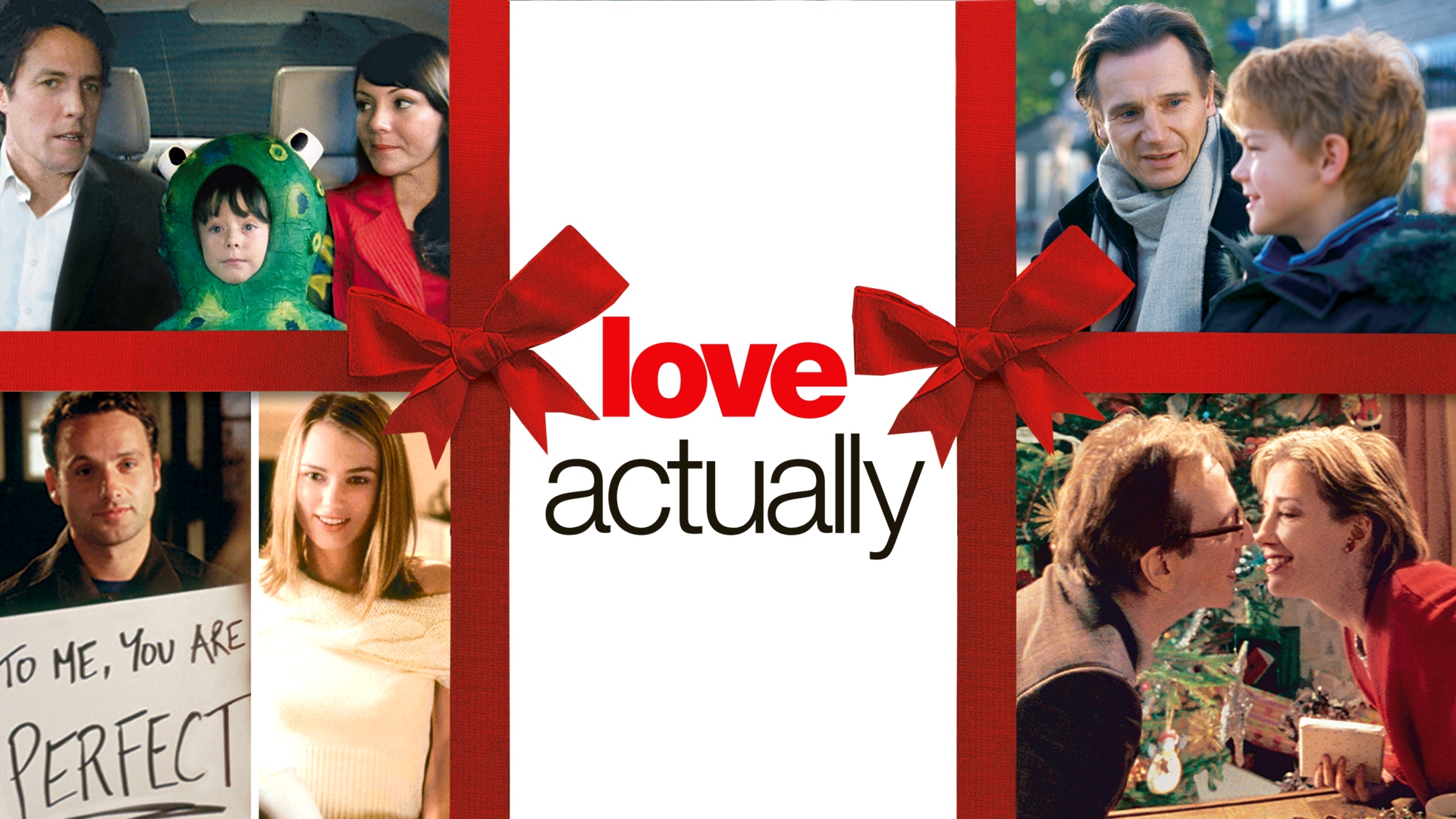
Since its release in 2003, Love Actually has become a beloved holiday classic for many. Directed by Richard Curtis, the film weaves together multiple storylines of love, heartbreak, and hope during the holiday season. Featuring an ensemble cast, including Hugh Grant, Liam Neeson, Keira Knightley, and Colin Firth, Love Actually is filled with heartwarming moments and memorable quotes that have captured the hearts of countless viewers.
However, despite its popularity, Love Actually also has a significant number of detractors. The film has sparked plenty of debate over the years, with some viewers questioning its themes, humor, and portrayal of relationships. For those who are less enamored with the film, Love Actually represents everything that can go wrong with holiday movies. But why do some people hate Love Actually? In this article, we’ll explore the reasons behind the criticism and dive into the aspects of the film that leave some viewers cold.
A Closer Look at Love Actually
Before diving into the reasons why people dislike Love Actually, it’s important to understand what the film is about and why it resonates with so many.
The film follows the lives of several interconnected characters as they navigate their relationships during the Christmas season. From the prime minister of the UK falling in love with his assistant, to a widowed father trying to help his son with his first crush, Love Actually presents a patchwork of romantic and emotional storylines that are often sweet and sometimes heart-wrenching. Each storyline is aimed at portraying the many faces of love, from unrequited love to deep, enduring affection.
One of the reasons Love Actually became such a hit is its star-studded cast and the warm, feel-good tone it sets during the holidays. The film’s message—love is all around—is simple, but it’s presented in a way that appeals to the emotional side of viewers. Many people watch Love Actually as a comforting tradition, and it’s often featured on TV channels during the holiday season.
However, despite its widespread popularity, not everyone shares the same enthusiasm for Love Actually. In fact, the film has its fair share of detractors. Let’s dive into the reasons why some people might hate it.
1. The Portrayal of Gender Roles
One of the main criticisms leveled against Love Actually is its portrayal of gender roles and relationships. The film often plays into traditional gender stereotypes, especially when it comes to romantic relationships. For example, the character of Karen (played by Emma Thompson) is seen as the emotional, self-sacrificing wife who suffers silently when she finds out her husband Harry (played by Alan Rickman) has been having an affair.
Meanwhile, other female characters, like Juliet (Keira Knightley), are depicted as the object of desire, waiting for a romantic gesture to validate their worth. Critics argue that this kind of portrayal is outdated and reinforces the idea that women should be passive recipients of love and affection, rather than active participants in shaping their own romantic lives.
The film’s male characters, on the other hand, are often shown as bumbling but lovable figures, with their own emotional flaws, like Harry’s midlife crisis or Jamie’s (Colin Firth) inability to express his feelings. Some viewers find this dynamic unbalanced, with women depicted as emotional caretakers and men as the ones who need emotional rescue.
2. The Problematic Relationship Between Age and Desire
Another aspect of Love Actually that raises eyebrows is the relationship between the character played by Colin Firth and his much younger Portuguese housekeeper, Aurelia. While this storyline is meant to be charming and romantic, many viewers find it problematic due to the age difference and the way the relationship is framed.
Jamie, played by Firth, falls in love with Aurelia despite the obvious language barrier between them. The narrative suggests that love can transcend these differences, but the significant age gap and the portrayal of Aurelia as a somewhat passive participant in the romance can feel uncomfortable to some viewers. The film doesn’t delve into any of the complexities that might arise from this type of relationship, and as a result, it may come across as idealized and unrealistic.
Similarly, other age-gap relationships in the film—such as the one between the much older Harry and his younger mistress—are not explored in depth, leading to criticism about the lack of meaningful conversation about power dynamics and consent in relationships with significant age disparities.
3. The Lack of Diversity
Another common critique of Love Actually is its lack of diversity. Set in London, the film largely features a predominantly white, British cast. In a city as diverse as London, the lack of racial representation is glaring. The film does include one storyline involving a Black character, played by Chiwetel Ejiofor, but this character is in a supporting role and does not significantly impact the broader narrative.
Some viewers argue that the lack of racial diversity in Love Actually highlights the film’s dated approach to depicting love and relationships. In an era where inclusion and representation are highly valued, the film feels out of touch with modern sensibilities. The absence of characters from different cultural backgrounds may be seen as a missed opportunity to reflect the diverse, multicultural world we live in today.
4. The Portrayal of Unhealthy Relationships
Several of the relationships depicted in Love Actually are, upon closer inspection, rather unhealthy. While the film emphasizes the importance of love and connection, it also presents a number of toxic dynamics that could be considered problematic.
One of the most glaring examples is the storyline involving the character of Mark (Andrew Lincoln) and Juliet (Keira Knightley). Mark is secretly in love with Juliet, his best friend’s wife. Instead of confronting his feelings, Mark opts to silently suffer, only to reveal his unrequited love in an awkward and borderline creepy way—by holding up signs outside Juliet’s window. While the scene is often interpreted as romantic by fans, others see it as a troubling example of obsession and boundary-crossing. It’s a classic case of unrequited love, but the way it is framed in the film doesn’t allow for a nuanced discussion of consent and emotional manipulation.
Similarly, Harry’s affair with his secretary, portrayed as a “midlife crisis” moment, leaves a bad taste in the mouths of some viewers. His wife, Karen, discovers the affair, and instead of confronting him in a direct, meaningful way, she silently accepts her husband’s betrayal. The lack of communication and resolution in these storylines can feel frustrating to those who prefer more realistic portrayals of complex relationships.
5. The Over-the-Top, Clichéd Storylines
Another common criticism of Love Actually is that some of the storylines are overly clichéd or melodramatic. The film is filled with the kinds of love tropes we see again and again in holiday movies: the unrequited crush, the long-lost love, the love triangle. For some viewers, these tropes feel predictable and overly formulaic, and the emotional beats can seem exaggerated to the point of being unbelievable.
For example, the character of David (played by Hugh Grant) is the UK prime minister who falls in love with his assistant, Natalie (Martine McCutcheon). Their relationship is characterized by awkward, overly sentimental moments, including a scene where David dances to a Christmas song in the prime minister’s residence. While some people find this charming, others find it too forced or out of place, detracting from the more grounded and realistic aspects of the movie.
6. It’s Overhyped
One of the main reasons some people dislike Love Actually is that they feel it’s been overhyped over the years. With its heavy rotation on TV networks during the holiday season and the countless articles written about how it’s the ultimate Christmas movie, some viewers may have built up unrealistic expectations. When they finally watch the film, they may feel disappointed by what they perceive as a shallow, overly sentimental narrative.
For people who prefer a more nuanced or realistic approach to love and relationships, Love Actually can feel like a sugar-coated, overly idealized portrayal of romance that doesn’t reflect the complexities of real-life relationships.
Conclusion
While Love Actually remains a beloved holiday classic for many, it’s easy to see why some people harbor a strong dislike for the film. From its portrayal of gender roles and unhealthy relationships to its clichéd storytelling and lack of diversity, Love Actually is not without its flaws. For those who prefer more nuanced or realistic depictions of love, the film’s sentimentality and idealized portrayal of romance can feel frustrating or alienating.
However, it’s important to remember that everyone’s tastes in movies are different, and for every person who criticizes the film, there are many others who cherish it as a heartwarming holiday tradition. Whether you love it or hate it, Love Actually continues to be a cultural touchstone that sparks discussion and debate every holiday season. So, if you don’t enjoy the film, you’re not alone—but for many, it’s a film that continues to bring joy and warmth, even if it’s not perfect.
Know More: