
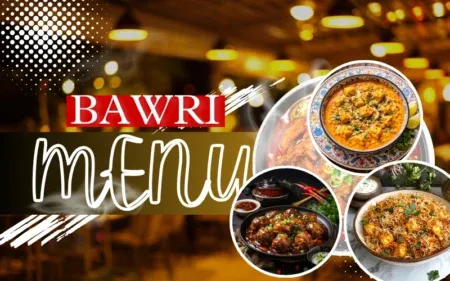
Indian food is huge, it’s layered, it’s colorful, and sometimes overwhelming when you try to plan a menu for family or guests. I stumbled across bestmenuideas.com once while searching for quick inspiration, and it reminded me how much variety Indian cuisine actually offers without needing fancy tricks. The truth is, most dishes are built from simple spices, fresh vegetables, and a few pantry staples that every Indian kitchen already has.
Balanced Meal Planning
A proper Indian menu usually mixes carbs, protein, fiber, and flavor. Rice or roti is the base, dal or lentils bring protein, vegetables add balance, and pickles or chutneys give that punch. If you want something filling but not heavy, pair steamed rice with moong dal, sautéed spinach, and cucumber raita. It’s not complicated, but it feels complete.
Quick Breakfast Choices
Breakfast in India is not just toast and eggs. Poha with peanuts, upma with vegetables, or parathas stuffed with potato or paneer are common. Each option keeps you full longer because they use grains and legumes. If you’re short on time, dosa batter stored in the fridge can save mornings. Just pour, spread, and cook.
Vegetarian Staples Daily
Most Indian households lean vegetarian at least five days a week. Dal tadka, rajma, chole, and sambar are everyday heroes. They are cheap, nutritious, and easy to batch cook. A trick is to soak beans overnight and pressure cook them in bulk. Freeze portions, and you’ll have ready bases for curries whenever needed.
Non-Veg Options Too
Chicken curry, mutton biryani, fish fry, or egg masala are popular non-veg picks. They don’t need to be cooked daily, but once or twice a week they add variety. Marinating meat with yogurt and spices overnight makes cooking faster the next day.
Street Food Inspired
Sometimes menus feel boring, so adding street food items helps. Pav bhaji, pani puri, or samosa chaat can be served as evening snacks or even dinner if you want something fun. These dishes are not only tasty but also customizable depending on spice tolerance.
Healthy Sides Matter
Raita, salads, and lightly cooked greens balance heavy curries. A bowl of sprouted moong salad with lemon and salt is refreshing. Curd-based sides cool down spicy meals. Even simple sliced onions with vinegar can make a plate look complete.
Festival Special Menus
During festivals, menus expand with sweets and fried snacks. Diwali calls for laddoos, gujiyas, and mathri. Holi brings thandai and malpua. Navratri menus shift to fasting-friendly items like sabudana khichdi and kuttu puri. Planning ahead makes it less stressful.
Regional Variety Always
India is diverse, so menus change by state. South Indian meals feature rasam, dosa, idli, and coconut chutney. North Indian menus highlight paneer butter masala, naan, and dal makhani. Gujarati thalis include dhokla and kadhi. Mixing regional dishes keeps menus exciting.
Lunchbox Friendly Ideas
Packing food for school or office needs smart planning. Chapati rolls with paneer, vegetable pulao, or idli with chutney are portable. Avoid dishes that get soggy. Dry sabzis like aloo gobi or bhindi fry are perfect for tiffins.
Budget Friendly Cooking
Indian menus don’t have to be expensive. Lentils, seasonal vegetables, and homemade spices cut costs. Buying whole spices and grinding them at home saves money and boosts flavor. Street-style snacks like pakoras are cheap but satisfying.
Spice Control Tips
Not everyone likes fiery food. Adjust chili levels, use more cumin or coriander for flavor, and add yogurt or coconut milk to mellow heat. Garam masala should be added at the end for aroma, not during cooking.
Meal Prep Hacks
Soaking beans, chopping vegetables, and storing masala pastes in advance saves time. Onion-tomato gravy base can be cooked in bulk and frozen. This base works for paneer, chicken, or mixed vegetables.
Kids Friendly Plates
Children often resist spicy food. Mild dishes like dal with ghee, vegetable pulao, or paneer bhurji are safe bets. Sweet options like kheer or sheera can be added occasionally.
Party Menu Planning
For gatherings, variety matters. Start with snacks like pakoras, serve mains like biryani or paneer curry, and finish with gulab jamun. Keep one mild dish for guests who can’t handle spice.
Everyday Comfort Food
Sometimes simple khichdi with ghee and papad is all you need. Comfort food doesn’t require effort but feels wholesome. Adding pickle or curd makes it better.
Modern Fusion Ideas
Indian menus now mix global styles. Paneer pizza, masala pasta, or curry tacos are trendy. They keep traditional flavors but add novelty.
Seasonal Adjustments
Summer menus lean on cooling foods like buttermilk, cucumber salad, and light dals. Winter menus bring heavy curries, stuffed parathas, and ghee-rich sweets. Seasonal eating keeps the body balanced.
Smart Serving Tricks
Serving food in thali style makes meals look complete. Small bowls with dal, sabzi, rice, roti, and chutney give variety without excess. Garnishing with coriander or fried onions adds appeal.
Final Thoughts
Indian menus are flexible, affordable, and endlessly creative. Whether vegetarian or non-veg, simple or festive, there’s always something new to try. If you want practical inspiration for planning meals, explore resources and keep experimenting.
Read also :-