
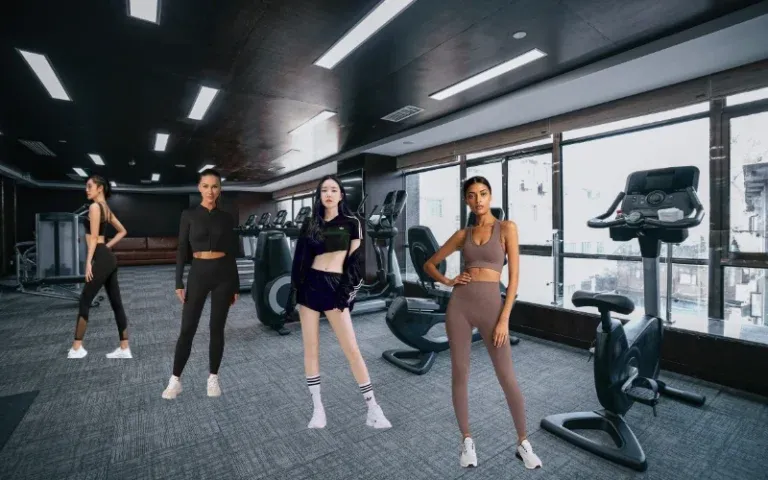
Everyday dressing becomes much easier when comfortable clothes also feel visually balanced and practical. Readers searching for fresh outfit inspiration can explore abestoutfit.com for more useful casual fashion ideas and styling references. Casual clothing works best when it fits naturally into real routines rather than requiring constant adjustment throughout the day. A simple outfit can look surprisingly polished when the proportions are right and the colors do not compete unnecessarily. You can build many combinations from ordinary pieces such as T-shirts, jeans, chinos, casual shirts, sneakers, sweatshirts, and lightweight jackets. The important part is understanding how those pieces work together. Weather should influence fabric choices, while the day’s activity should influence footwear and overall comfort. A relaxed outfit for shopping can look very different from one chosen for a casual dinner. Neither needs to become formal simply because the situation changes slightly. Small details such as sleeve length, trouser shape, shoe condition, and accessory choice can make an ordinary combination feel more considered. Personal taste matters too because casual fashion should leave room for different colors, silhouettes, and levels of relaxation. The most useful wardrobe is usually the one that makes getting dressed quicker while still giving enough variety for normal life.
Build Around Versatile Clothing
A strong casual wardrobe does not need hundreds of garments because versatile pieces can create many different combinations. Plain T-shirts, comfortable jeans, chinos, relaxed trousers, casual shirts, sweatshirts, overshirts, and everyday sneakers provide a dependable foundation. Neutral colors make these pieces especially easy to combine. White, black, grey, navy, beige, cream, olive, and brown can work together in many different arrangements. This does not mean every outfit should remain completely neutral. A stronger color can become the focus while the remaining pieces stay simple. Before buying another garment, consider how many existing pieces can work with it. A shirt that matches six trousers is generally more useful than one that matches only one specific pair. The same principle applies to shoes because versatile footwear makes more outfits possible. A casual wardrobe should reduce daily decisions instead of creating more confusion. It also helps to think about the climate and activities that dominate your normal week. Someone living in a warm environment may need more breathable shirts and lighter trousers, while someone facing cooler weather may benefit from sweaters and layered jackets. Clothing should be selected around real life first.
Refresh Familiar Denim Looks
Jeans can remain useful for years, but wearing them with the same top and shoes can make the wardrobe feel repetitive. Changing the upper layer is often enough to create a completely different impression. Dark denim with a cream T-shirt and simple sneakers can look clean and understated. The same jeans with an olive overshirt can feel more rugged and relaxed. A casual checked shirt can add pattern without requiring brighter trousers or accessories. Light blue denim usually creates a softer daytime appearance and works well with white, grey, navy, beige, and muted green tops. Black denim can support darker outfits and can work particularly well for casual evening plans. The fit should depend on comfort and personal preference rather than a single fashion rule. Straight-leg jeans offer useful balance, while relaxed denim provides additional movement and a more laid-back appearance. Slim denim can still work when it feels comfortable and suits the overall silhouette. Pay attention to the hem because excessive fabric around the shoe can make even good denim look untidy. Different shoes can then change the outfit further. Sneakers keep jeans casual, while boots can introduce a slightly stronger visual character.
Bring Chinos Into Rotation
Chinos are helpful when denim feels too familiar but formal trousers seem unnecessary. Their cleaner appearance makes them suitable for casual offices, dinners, weekend outings, and many everyday situations. Beige remains one of the easiest colors to style because it works naturally with dark and light tops. Navy chinos create a stronger base for white, cream, grey, blue, and muted green shirts. Olive can provide color without becoming difficult to combine. The best fit usually allows movement while keeping enough structure to maintain a clear silhouette. Extremely tight trousers can become uncomfortable during long days, while overly loose trousers may need careful balancing with the upper body. A plain T-shirt and chinos can create a simple daytime combination. Add a lightweight overshirt and the same base outfit becomes more suitable for cooler weather. Replace the T-shirt with a casual button shirt and the appearance becomes slightly more polished. Sneakers can remain the footwear choice for most relaxed situations. Casual loafers or simple boots can be considered when the setting calls for a little more structure. Chinos are useful because they sit comfortably between jeans and formal trousers.
Use Shirts In Different Ways
Casual shirts become much more useful when they are not limited to one styling method. A lightweight cotton shirt can be worn buttoned with chinos, left open over a T-shirt, or layered beneath a casual jacket. Linen shirts are particularly useful during warm weather because their lighter construction can feel more comfortable. Chambray shirts provide another option with a soft blue appearance that works nicely with darker trousers. Flannel shirts can add warmth and texture during cooler months. Small checks and simple stripes are generally easy to coordinate with neutral trousers. Larger patterns can still work, but they usually become the main visual feature of the outfit. If the shirt already contains several colors, simpler footwear and trousers can provide better balance. Sleeve length can also change the feeling of a casual shirt. Rolling the sleeves slightly can create a more relaxed appearance when appropriate. Shirt length should be considered when wearing the garment untucked because excessive length can affect the proportions of the entire outfit. Casual shirts should not feel stiff or overly formal. Natural texture and comfortable movement are part of what makes them useful for everyday dressing.
Add Lightweight Outer Layers
Outer layers can change a basic outfit without requiring an entirely new wardrobe. Overshirts, denim jackets, lightweight bombers, utility jackets, cardigans, and casual coats can all provide useful alternatives depending on weather. An overshirt works particularly well because it can remain open over a T-shirt or buttoned when temperatures fall. Denim jackets pair naturally with simple shirts and trousers, although wearing denim on both the upper and lower body requires attention to color contrast. A darker jacket with lighter denim can create useful separation. Lightweight bombers can provide a cleaner modern appearance while remaining casual. Utility-inspired jackets can add pockets and structure when practical function matters. The outer layer should not overwhelm the rest of the outfit unless an intentionally oversized style is being created. A relaxed jacket generally works better when the base layers are relatively simple. Fabric texture can also add visual interest without using bright colors. Corduroy, denim, cotton, and lightweight technical fabrics each create different effects. A useful jacket should ideally work with several trousers and tops. That makes it more valuable than an outer layer purchased only for one particular outfit.
Choose Footwear For Purpose
Footwear should match both the outfit and the activity because comfort remains important throughout the day. Clean low-profile sneakers are among the easiest choices for casual wardrobes because they work with jeans, chinos, shorts, and relaxed trousers. White sneakers provide strong versatility, while black sneakers can support darker combinations. Grey, cream, and beige footwear can provide softer alternatives without becoming visually dominant. Athletic shoes are appropriate for exercise and activities that require performance support, but they may look less cohesive with certain casual outfits. Walking shoes should also be chosen for comfort when long distances are expected. A shoe that looks excellent but causes discomfort after thirty minutes is rarely a practical wardrobe choice. The shape of the footwear matters as well. Chunky soles create a different silhouette from slim everyday sneakers. Boots can provide a more rugged appearance and work especially well with denim or heavier trousers. Sandals can be useful during hot weather and relaxed vacation settings. Socks also influence the final appearance because their height and color can change how trousers meet the shoes. Footwear does more than complete an outfit. It can change the entire visual direction of the clothing.
Make Neutral Colors Useful
Neutral colors are valuable because they make wardrobe combinations much easier to create. Black, white, grey, navy, beige, cream, brown, and olive can support many different outfits without requiring exact color matching. A white T-shirt can work with almost every casual trouser color. Navy can provide a darker alternative without the sharp contrast created by black. Beige and cream can soften outfits that might otherwise feel too dark. Brown footwear can work naturally with beige trousers and warmer shades such as olive or burgundy. Neutral colors also allow stronger pieces to stand out. A muted red sweatshirt can become the main focus when worn with dark trousers and simple sneakers. A green overshirt can add color while the rest of the outfit stays understated. The goal is not making every garment identical in tone. Contrast can make casual clothing more interesting when the colors remain compatible. Bright colors can certainly be used, but several strong shades together may require more attention. Experiment with one colorful piece at a time if your wardrobe usually stays neutral. This creates variety without making daily styling feel difficult.
Keep Summer Clothing Light
Warm weather changes the priorities of casual dressing because comfort becomes particularly important. Lightweight cotton, linen, breathable blends, relaxed shirts, shorts, and loose trousers can help make hot days easier. White, cream, pale blue, beige, and soft green often create an easy summer appearance. Dark clothing can still work, but lighter colors may feel more comfortable under strong sunlight. Linen shirts can be paired with shorts for relaxed daytime activities or with lightweight trousers for a slightly cleaner look. Shorts should allow natural movement without becoming unnecessarily long or extremely short. Sneakers remain useful for walking and daily errands, while sandals can suit more relaxed environments. Sunglasses can provide practical protection while adding a simple accessory. Heavy layering should generally be avoided when temperatures are high. A lightweight overshirt may still be useful during cooler evenings or heavily air-conditioned indoor spaces. Fabrics matter because thick materials can become uncomfortable even when the outfit looks attractive. Summer casual style works best when clothing allows movement and airflow. Looking relaxed becomes easier when the body is not fighting against heavy or restrictive garments.
Layer Comfortably In Winter
Cold weather allows more layering, but comfort should still guide the number of pieces worn. Sweaters, sweatshirts, flannel shirts, heavier overshirts, jackets, casual coats, scarves, and boots can create useful combinations. A crewneck sweater with straight jeans and sneakers is already enough for many mild winter days. A jacket can then be added when temperatures drop further. Darker shades such as charcoal, navy, brown, olive, burgundy, and deep green can create a seasonal feeling. Cream and lighter shades can provide useful contrast and prevent winter outfits from becoming too dark. Texture becomes more noticeable during colder months because knitwear, corduroy, denim, and heavier cotton create visual depth. Several bulky layers can make movement difficult, so moderate layers are often more practical. A thinner sweater underneath a jacket can provide more flexibility than one extremely heavy garment. Accessories such as scarves and caps can provide warmth without requiring another large clothing layer. Footwear should suit the conditions, especially when rain or cold surfaces are expected. Casual boots can work well with heavier denim and trousers. Winter outfits should feel warm and flexible rather than simply thick.
Style Sweatshirts Naturally
Sweatshirts remain useful because they provide warmth while keeping outfits relaxed. Plain crewneck styles can work with denim, chinos, cargo-inspired trousers, relaxed pants, and casual sneakers. Grey, black, navy, cream, and muted green are dependable colors. Graphic sweatshirts can add personality, although the design should fit the rest of the combination. A large graphic already attracts attention, so simpler trousers and footwear often create better balance. Sweatshirt fit can range from relatively clean to intentionally oversized. Both approaches can work when the proportions are considered carefully. An oversized sweatshirt usually pairs better with trousers that have enough width to support the relaxed silhouette. A cleaner sweatshirt can work nicely with straight jeans or chinos. Fabric weight should match the temperature because heavy fleece can become uncomfortable indoors. Sweatshirts can also work as travel clothing because they provide warmth without requiring complicated layers. A jacket over the top can create another combination for colder conditions. Good casual clothing should remain useful across different situations. A sweatshirt that works for weekends, travel, and relaxed evenings usually provides more value than one designed only for a specific trend.
Add Accessories Carefully
Accessories provide easy opportunities to change familiar outfits without buying more clothing. Watches, caps, sunglasses, belts, bracelets, simple necklaces, backpacks, and crossbody bags can all contribute useful details. The important thing is using them intentionally rather than adding everything together. A simple watch can make a plain T-shirt and jeans combination feel more finished. Sunglasses are practical in bright conditions and can also add personality. Caps can work particularly well with summer outfits and relaxed streetwear-inspired combinations. Belts should complement the trousers and footwear without becoming unnecessarily noticeable. Bags should be chosen according to actual needs. A backpack may be better for commuting or studying, while a smaller crossbody bag can work for casual outings. Accessories can also introduce a small amount of color into an otherwise neutral outfit. If the clothing already contains a strong pattern, simpler accessories usually provide better balance. Jewelry should feel comfortable because pieces that constantly need adjusting quickly become annoying. You do not need expensive accessories to improve casual clothing. A few useful pieces that work with several outfits are usually enough.
Plan Around Your Routine
Casual clothing should make sense for the activities that fill your normal day. Someone spending several hours walking needs different footwear from someone working primarily at a desk. A casual office may require cleaner trousers and shirts, while weekend plans can allow relaxed jeans and sweatshirts. Travel requires clothing that remains comfortable during long periods of sitting and changing temperatures. Lightweight layers can be particularly helpful when moving between outdoor and indoor environments. Shopping trips may require simple footwear and clothing that allows easy movement. Casual dinners can usually be handled with small upgrades rather than a completely different wardrobe. Replacing a T-shirt with a casual shirt can immediately create a slightly smarter appearance. Changing sneakers to clean minimalist footwear can have a similar effect. Chinos can replace jeans when a little more structure is appropriate. The important part is recognizing the activity before choosing individual garments. Clothing should support the day instead of requiring constant adjustment. This is also why the most fashionable outfit is not always the best choice. Practical comfort can make a casual outfit look more natural because the wearer feels comfortable inside it.
Shop With More Purpose
A wardrobe becomes easier to manage when purchases are based on actual needs. Before buying another black T-shirt or similar pair of jeans, check what already exists. Duplicate pieces may look attractive individually but add little variety when they are nearly identical. A new trouser color, casual shirt, overshirt, or versatile shoe may create many more combinations. Think about how many existing garments can work with a potential purchase. If one item matches only a single outfit, it may not provide enough practical value. Fabric and construction should also receive attention because poor quality can reduce how often a garment gets worn. Check seams, stitching, buttons, zippers, fabric weight, and care instructions before buying when possible. Online shoppers should compare actual measurements rather than assuming every brand uses the same sizing. Sales can help when they reduce the price of something genuinely useful. A discount should not become a reason to purchase clothing that will remain unused. A smaller wardrobe containing dependable pieces can often create more useful outfits than a large collection of unrelated garments. Good shopping is mostly about choosing carefully.
Create New Combinations Daily
You can often discover new outfits without purchasing anything at all. Try changing one part of a familiar combination and observe how the overall appearance changes. A different sneaker can make the same jeans and shirt feel more relaxed or more refined. Adding an overshirt can provide another version for cooler weather. Switching from a T-shirt to a casual button shirt can change the outfit considerably. Accessories can provide smaller variations when you want something different without replacing the main clothing. It can also help to organize clothing so commonly used pieces remain visible. Items hidden at the back of the wardrobe are less likely to become part of new combinations. Photographing successful outfits can provide a useful personal reference for busy mornings. This is particularly helpful when several combinations work but are difficult to remember. Do not underestimate the value of repeating a good outfit either. Clothing does not need to be completely different every day. Repeating reliable combinations is practical when they suit your routine. Variety can come from small changes rather than constant shopping. The real purpose of a casual wardrobe is making everyday dressing easier.
Let Your Style Develop Naturally
Personal style does not need to appear fully formed from the beginning. It usually develops through repeated choices about colors, fits, fabrics, footwear, and comfort. Trends can provide inspiration, but they should not force you into clothing that feels unlike you. Someone who prefers relaxed trousers should not suddenly buy extremely fitted jeans simply because they are fashionable. Someone who enjoys bright colors should not feel required to wear only neutral shades. Comfort can be part of personal expression rather than something separate from style. Your daily routine should influence what becomes a regular part of the wardrobe. People who walk frequently may naturally prefer sneakers and relaxed trousers. People who attend casual meetings may prefer shirts and cleaner footwear. Travelers may value lightweight layers and practical bags. These choices create a personal style through repeated use. Confidence usually becomes easier when clothing feels familiar and comfortable. The best casual outfit is often the one that looks natural because it actually suits the person wearing it. Fashion inspiration is useful, but adaptation is more important.
Final Ideas For Casual Outfits
Casual dressing works best when the wardrobe contains comfortable pieces that can handle several real-life situations. T-shirts, denim, chinos, relaxed trousers, casual shirts, sweatshirts, overshirts, sneakers, and practical accessories can create plenty of combinations without requiring an enormous collection. The focus should remain on useful clothing rather than constant novelty.
Fit, color, fabric, footwear, weather, and daily activity all affect whether an outfit feels successful. Neutral colors make mixing easier, while occasional stronger shades can bring personality into simple combinations. Layers provide flexibility during changing temperatures, and practical footwear keeps the outfit comfortable when the day becomes busy.
There is no need to follow every fashion trend to dress well casually. Clothing that fits comfortably, suits the setting, and works with existing pieces will usually provide better long-term value. A thoughtful wardrobe can remain simple while still giving enough variety for different moods and activities.
For more practical casual outfit inspiration, everyday styling ideas, and useful wardrobe guidance, continue exploring reliable fashion references and choose pieces that genuinely suit your comfort, routine, and personal preferences. Build slowly, wear what works, and let your casual style become naturally recognizable over time.
Read also :-